

Summary
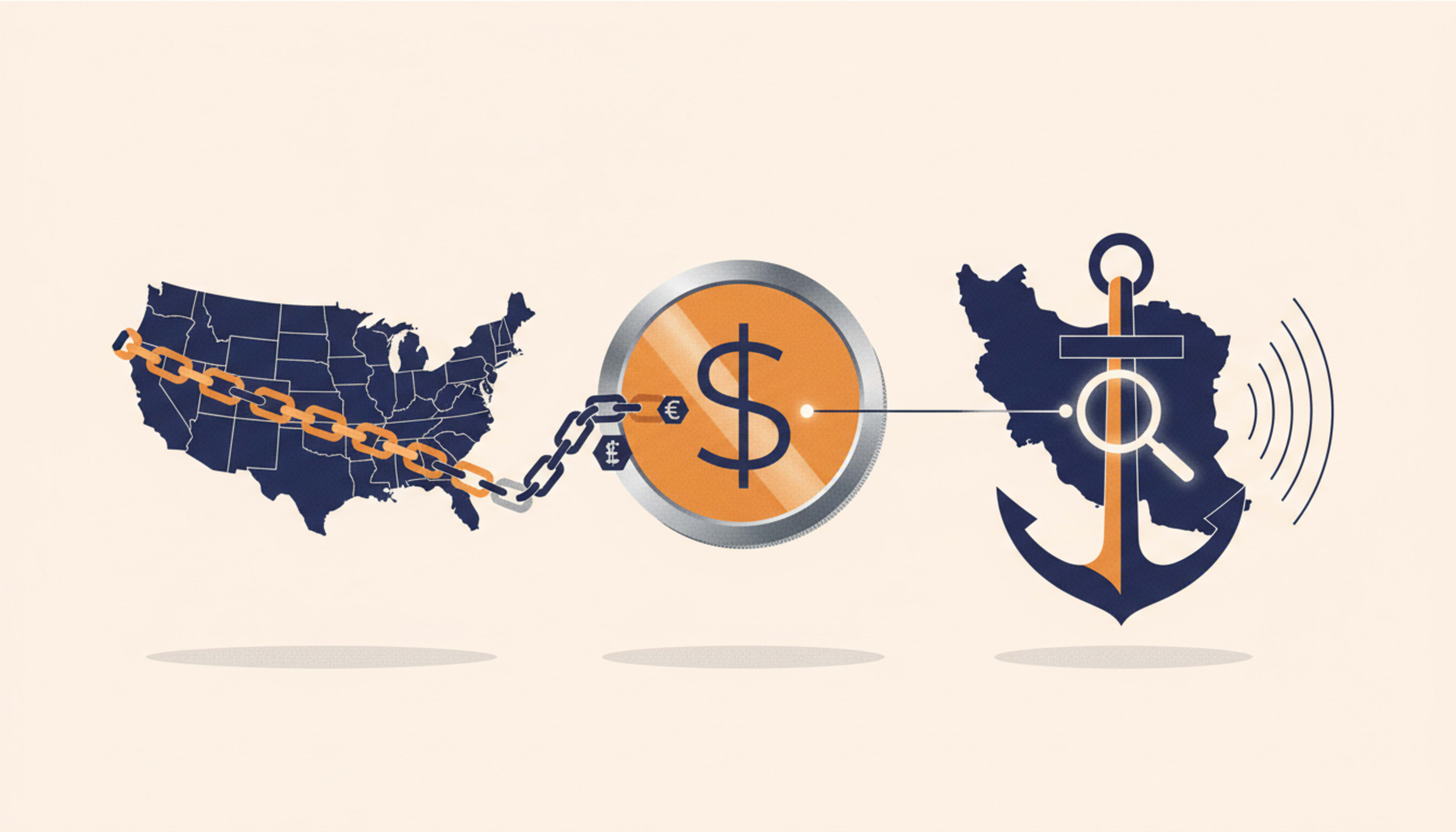
- Tether froze $131M USDT in four OFAC-sanctioned Iran-linked wallets tied to the Central Bank of Iran.
- Thailand's Bank of Thailand and SEC launched a joint audit of high-volume USDT transactions amid gray-market concerns in July 2026.
- US Senate Democrats demanded hearings on national security risks from President Trump's $1.4 billion in crypto earnings.
Tether froze $131 million in USDT across four OFAC-sanctioned addresses linked to Iran's Central Bank in July 2026. Sanctions also hit funds routed through DTC Pay. Tether has now frozen nearly $475 million total from OFAC-identified Iran Central Bank addresses.
This enforcement occurs as Thailand initiates its own crackdown.
Context
US sanctions on Iran have increasingly incorporated crypto infrastructure, with stablecoin issuers like Tether acting as compliance gatekeepers. OFAC added Iran Central Bank crypto wallets to its sanctions list, prompting immediate freezes on associated holdings. These actions highlight how centralized stablecoin control enables rapid implementation of Tether USDT sanctions without traditional banking channels.
Thailand's audit reflects parallel regulatory tightening in Asia.
The joint probe targets suspicious stablecoin activity alongside cash and foreign exchange flows, raising compliance requirements for OTC desks and exchanges. Such moves signal broader crypto regulation 2026 pressures on issuers and intermediaries worldwide.
Details
Tether's freezes directly followed OFAC updates on four Iran-linked wallets. The $131 million action builds on prior enforcement, demonstrating the issuer's ongoing cooperation with US authorities. Thailand's regulators are now examining USDT flows for potential links to scam centers, with reports flagging up to $3.4 billion in suspect proceeds.
"Tether's compliance actions show how centralized issuers can serve as enforcement tools in sanctions regimes."
, Regulatory Analyst (bitcoinfoundation.org)
Democratic senators escalated separate scrutiny by calling for hearings on Trump's crypto disclosures and potential foreign ties.
These probes coincide with the Thailand stablecoin audit and the Iran-related freezes, amplifying focus on stablecoin oversight.
- Actions rely on centralized stablecoin issuer compliance and may shift activity to decentralized alternatives.
Outlook
Regulators in the US, Thailand, and elsewhere will continue testing enforcement through stablecoin issuers, with further OFAC Iran wallets designations and audits likely to follow.